

Table of Contents
- What Is PEMF Therapy and How Does It Work for Back Pain?
- Benefits of PEMF Therapy for Chronic Low Back Pain
- Clinical Evidence: What the Research Actually Shows
- Using a PEMF Mat for Pain Relief: Home vs. Clinical-Grade Devices
- How Long Should You Use a PEMF Mat for Best Results?
- PEMF Therapy Side Effects and Contraindications to Know
- Conclusion
- Frequently Asked Questions
Last Updated: August 30, 2026
What Is PEMF Therapy and How Does It Work for Back Pain?
PEMF therapy, pulsed electromagnetic field therapy, is a non-invasive, drug-free treatment that delivers low-frequency electromagnetic pulses through the body to support cellular activity, tissue repair, and pain relief. The therapy uses magnetic energy waves tuned to specific therapeutic frequencies to interact with the body's bio-electromagnetic systems.
According to the National Institutes of Health's PubMed database, PEMF therapy has been evaluated across a range of musculoskeletal conditions, with back pain representing one of the most common applications.
For back pain specifically, the device generates pulsed electromagnetic fields that pass through skin, muscle, and spinal tissue. These pulses create gentle electrical stimulation at the cellular level, influencing ion channels, improving oxygenation, and encouraging blood flow to damaged or inflamed tissue. The result is a cascade of biological responses that reduce pain intensity and support the body's natural recovery process.
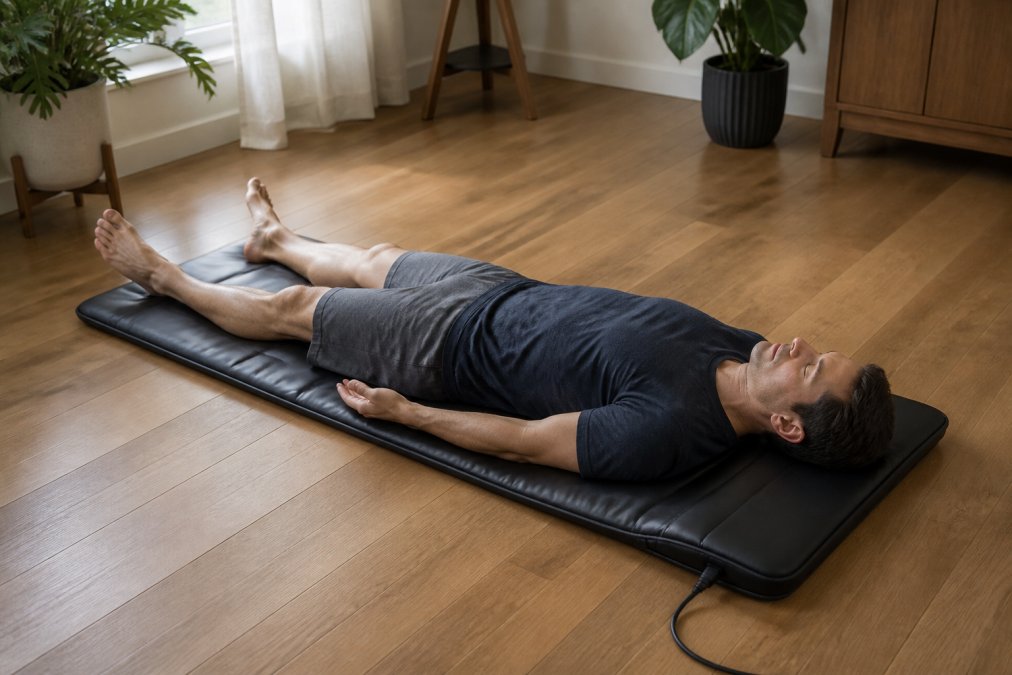
Cellular-Level Healing: What Happens Inside Your Tissue
When electromagnetic pulses reach damaged tissue, they influence the electrochemical environment inside and around cells, supporting cellular regeneration through restoration of healthy cell membrane voltage, which tends to drop in injured or chronically inflamed tissue.
For chronic back pain sufferers, this means:
- Ion exchange normalization: Damaged cells often have disrupted calcium, potassium, and sodium ion balance. PEMF pulses help restore normal ion flow, a prerequisite for cellular repair.
- Improved oxygenation: Better blood flow means more oxygen reaches affected spinal tissue, accelerating recovery.
- Nerve stimulation: Low-frequency pulses interact with nerve pathways, contributing to neuromodulation effects that reduce perceived pain.
- Reduced cellular inflammation: Pulses influence inflammatory mediators at the tissue level, not just masking pain signals.
PEMF targets the underlying cellular environment that makes chronic low back pain persistent, rather than simply addressing symptoms.
Benefits of PEMF Therapy for Chronic Low Back Pain
Chronic low back pain is treatment-resistant and often cycles through medications, injections, and manual therapy without lasting relief. PEMF therapy offers a different approach: addressing the tissue environment rather than blocking pain signals.
Inflammation Reduction and Pain Intensity
Inflammation is the engine of chronic back pain. Whether from a herniated disc, spinal stenosis, or incompletely healed muscle strain, persistent inflammation keeps pain elevated long after the initial injury.
PEMF therapy's most documented effect is inflammation reduction. The electromagnetic pulses interact with pro-inflammatory cytokines and influence immune cell behavior in affected tissue. Many patients report meaningful pain reduction after consistent sessions, particularly for chronic low back pain unresponsive to other approaches.
Unlike analgesics that block pain, PEMF targets the inflammatory process itself, a slower mechanism with more durable effects.
Functional Mobility and Spinal Stiffness
Spinal stiffness often limits daily function more than pain alone. People with chronic low back pain frequently report that inability to bend, rotate, or stand for extended periods affects quality of life as much as pain itself.
PEMF therapy addresses spinal stiffness through muscle relaxation and improved connective tissue health. The electromagnetic pulses reduce involuntary muscle guarding around painful areas and support collagen synthesis in spinal ligaments and discs. Functional mobility improvements are often the first measurable change patients notice, with getting out of bed, walking, or sitting becoming easier before pain scores drop significantly.
Clinical Evidence: What the Research Actually Shows
The research base for PEMF therapy is promising but still developing. Many early studies used small sample sizes and inconsistent protocols, making direct comparisons difficult.
According to a systematic review published in the journal Pain Research and Management, PEMF therapy demonstrated statistically significant reductions in pain intensity and functional disability in patients with chronic low back pain compared to sham treatment. The effect sizes were modest to moderate, typical for non-pharmacological interventions.
Clinical literature consistently shows:
- PEMF therapy outperforms placebo for short-term pain relief in chronic low back pain
- Functional mobility outcomes improve alongside pain scores
- Effects appear cumulative: longer treatment protocols produce better outcomes than brief sessions
- Available follow-up studies suggest maintained benefit for patients who continue periodic use
PEMF therapy works best as part of a broader pain management strategy, not as a standalone cure. Combining PEMF with physical rehabilitation produces better outcomes than either approach alone.
Using a PEMF Mat for Pain Relief: Home vs. Clinical-Grade Devices
Clinical-grade PEMF devices used in physical rehabilitation settings operate at higher intensities and offer more precise frequency control than consumer mats. They're also operated by trained practitioners who customize treatment protocols to specific conditions.
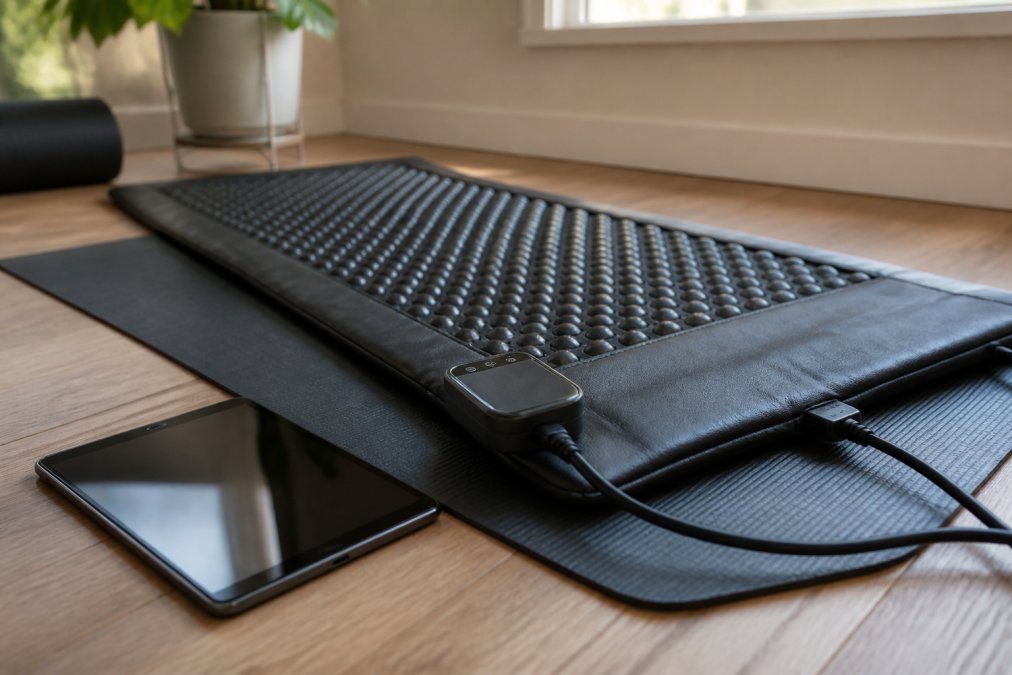
Modern home PEMF mats have closed the gap significantly. They now deliver therapeutic frequencies found in nature, far-infrared heat, and in some cases red light therapy in a single device. The tradeoff is intensity and customization, home devices operate at lower field strengths, requiring longer session durations for comparable effects.
For chronic back pain management, the home mat's biggest advantage is consistency. A device you can use daily without scheduling appointments will produce better long-term outcomes than clinically superior equipment used infrequently.
Cost-Benefit Analysis: Clinic Sessions vs. Home Mat Investment
Clinic PEMF sessions typically cost $50-$150 per session. For ongoing pain management, this cost compounds quickly.
Essential Life Vitality's PEMF mat lineup offers several options:
| Product | Price | Key Features | Best For |
|---|---|---|---|
| Infrared PEMF Go Mat | $869 | PEMF + far-infrared, portable | Daily use, smaller spaces |
| RED Light PEMF Infrared Mat PRO | $1,059 | PEMF + infrared + red light | Full-body recovery sessions |
| Infrared PEMF Pro Mat | $1,600 | Professional-grade, 45 lbs | Dedicated home wellness space |
The Infrared PEMF Go Mat at $869 pays for itself relative to clinic sessions within a few months of regular use. The Infrared PEMF Pro Mat at $1,600 suits anyone building a dedicated home wellness room who wants professional-grade experience without the clinical setting.

These devices are designed for everyday wellness routines, not just performance optimization. The PEMF mat for pain relief is one of the most practical applications of this technology.
How Long Should You Use a PEMF Mat for Best Results?
For chronic low back pain, most protocols suggest sessions of 20-40 minutes, once or twice daily, with consistency over weeks being more important than any single session length. Acute back pain responds differently: shorter sessions of 15-20 minutes at lower frequencies are generally recommended to avoid overstimulating inflamed tissue.
PEMF therapy works through cumulative cellular changes, not immediate pain blocking. Most users report noticeable improvement in spinal stiffness and functional mobility within two to four weeks of consistent daily use, with pain intensity reductions becoming more pronounced over six to eight weeks.
Integrating PEMF Into Your Physical Therapy Routine
PEMF therapy and physical rehabilitation are complementary. Physical therapy addresses movement patterns and muscle imbalances; PEMF addresses the cellular environment that determines tissue repair speed and nervous system pain down-regulation.
The most effective integration follows this structure:
- Pre-session PEMF (10-15 minutes): Use the mat before physical therapy exercises to reduce muscle guarding and improve tissue extensibility.
- Post-exercise PEMF (20-30 minutes): After rehabilitation exercises, a longer PEMF session supports recovery and reduces post-exercise inflammation.
- Rest-day protocol: On days without formal physical therapy, a 30-40 minute PEMF session maintains the cellular environment and prevents inflammatory backslide.
According to the American Physical Therapy Association's clinical resources, combining passive modalities like PEMF with active physical rehabilitation consistently produces better functional outcomes than either approach in isolation.
PEMF Therapy Side Effects and Contraindications to Know
PEMF therapy side effects are generally mild and uncommon. The most frequently reported effects include temporary fatigue after sessions, mild tingling during treatment, and occasionally brief discomfort as the body adjusts. These typically resolve within one to two weeks of regular use.
Absolute contraindications, do not use PEMF therapy if you have:
- An implanted electronic device (pacemaker, cochlear implant, insulin pump, neurostimulator)
- Active bleeding or hemorrhagic conditions
- Pregnancy
Relative contraindications, consult a physician before use if you have:
- Metal implants near the treatment area
- Active cancer or cancer history in the treatment area
- Epilepsy or seizure disorder
- Blood coagulation disorder or anticoagulant medications
The FDA classifies certain PEMF devices as medical devices. As noted in FDA guidance on general wellness devices, wellness-focused PEMF mats used for general comfort fall under a different regulatory category than prescription medical devices.
Some users report that as PEMF reduces baseline pain intensity, they become more sensitive to medication side effects. If managing chronic back pain with prescription medications, discuss any new therapeutic modality with your prescribing physician.
Conclusion
Chronic back pain rarely has a single solution. The most durable outcomes come from combining non-pharmacological approaches that address different aspects of the problem simultaneously.
Essential Life Vitality's PEMF mat collection is built for disciplined, consistent home-based recovery routines. The Infrared PEMF Go Mat, RED Light PEMF Infrared Mat PRO, and Infrared PEMF Pro Mat each combine pulsed electromagnetic field therapy with far-infrared heat to support cellular recovery, inflammation reduction, and muscle relaxation in a single daily session. Free shipping is available on most orders within the continental U.S., and the support team is available via phone, email, or live chat to help you choose the right device for your space and routine.

If you're ready to take a more systematic approach to managing chronic back pain at home, explore the full PEMF mat lineup at Essential Life Vitality and find the device that fits your wellness goals.
Frequently Asked Questions
When should you not use PEMF therapy?
PEMF therapy is not recommended for people with implanted electronic devices such as pacemakers or cochlear implants, as the magnetic energy waves can interfere with device function. Pregnant women and individuals with active bleeding disorders or epilepsy should also avoid use. Anyone with a serious underlying condition should consult their physician before starting a PEMF treatment protocol. Always read the manufacturer's contraindication list for any specific device you plan to use.
How long before PEMF therapy helps chronic back pain?
Most users report noticeable changes in pain intensity and spinal stiffness within two to four weeks of consistent daily use. Clinical systematic reviews suggest that meaningful improvements in chronic low back pain outcomes typically require four to eight weeks of regular sessions. Results vary based on the severity of the condition, the therapeutic frequency used, and whether PEMF is combined with physical rehabilitation. Starting with shorter sessions and gradually increasing duration helps the body adapt without overstimulation.
Can a PEMF mat replace physical therapy for back pain?
A PEMF mat works best as a complement to physical therapy, not a replacement. PEMF therapy supports cellular regeneration, inflammation reduction, and muscle relaxation, which can make physical therapy exercises more comfortable and effective. A non-pharmacological tool like PEMF addresses pain management and tissue repair at the cellular level, while physical therapy rebuilds strength, flexibility, and movement patterns. Using both together tends to produce better patient outcomes than either approach alone.
What is the difference between a home PEMF mat and clinical-grade equipment?
Clinical-grade PEMF devices typically operate at higher magnetic field intensities and offer a broader range of programmable therapeutic frequencies, requiring trained supervision. Home-use PEMF mats deliver lower-intensity pulsed electromagnetic field therapy designed for safe, unsupervised daily use. For chronic low back pain management and general wellness, home mats provide consistent, convenient access to PEMF therapy without recurring clinic costs. The trade-off is intensity and customization, not safety, when devices are used as directed.
This article was written using GrandRanker